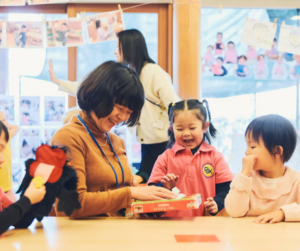


Fostering Independence and Student Agency at DSK International Kindergarten
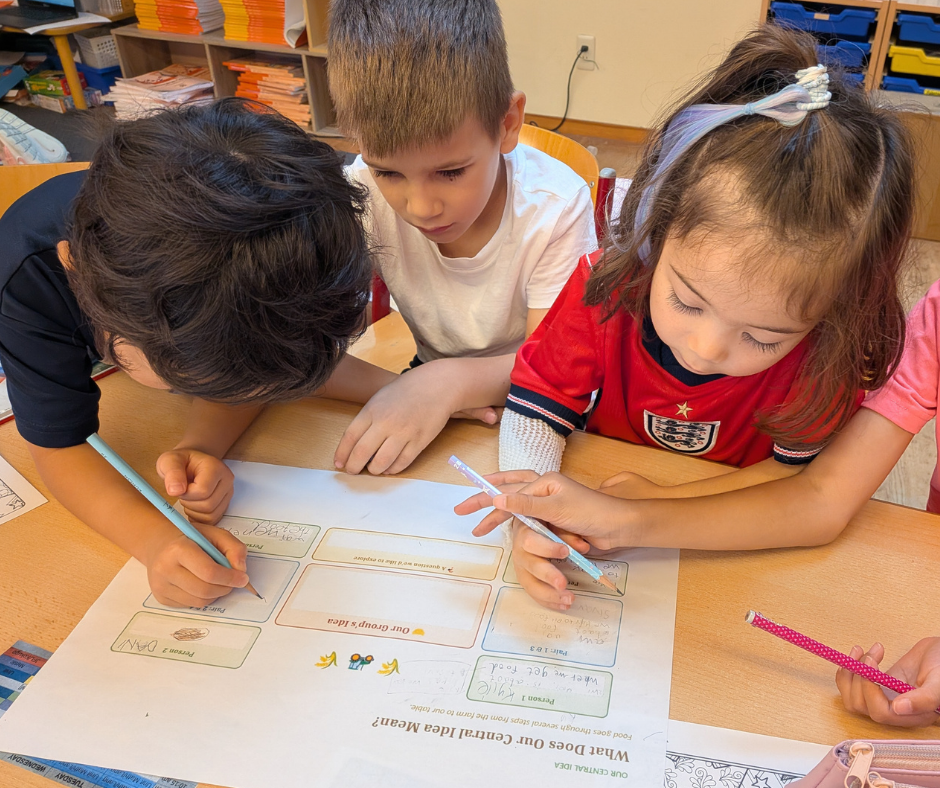
At DSKI, we see our youngest learners as capable, curious, and full of potential. Agency is embedded in the fabric of our daily practice:
Student Agency in Kindergarten
1. Choice and Autonomy
Children are given time and space to make choices—what activities to pursue, how to express their thinking, and who to work with. For example, in our inquiry centers, children might choose to build collaboratively in the construction area, explore textures in the sensory table, or create a story using open-ended materials. This autonomy fosters confidence and a sense of ownership.
2. Listening to Children’s Voices
We take children’s ideas seriously. Whether it’s a question during circle time or a spontaneous observation during outdoor play, educators document and respond to these insights. Our curriculum often emerges from these moments of genuine curiosity, allowing children to co-construct their learning journey.
3. Inquiry as a Process
In line with the PYP’s transdisciplinary approach, we encourage children to ask questions and investigate their world across multiple contexts. A simple question about rain can evolve into an exploration of weather, storytelling, measurement, and empathy (e.g., how animals stay dry). Inquiry is not scripted—it is lived and experienced.
4. Reflection and Metacognition
Even our youngest students engage in reflection. Through visual documentation, learning journals, and classroom conversations, children revisit their ideas, make connections, and begin to see themselves as learners. This nurtures a growing awareness of their own learning process—a key step in developing lifelong agency.
How Can Parents Support Agency at Home?
Children’s agency doesn't end when they leave school—it thrives in homes where children feel trusted, heard, and respected. Here are some practical ways to extend this support:
1. Encourage Independence
Allow children to do things for themselves—even when it’s messy or slow. From putting on shoes to choosing what to wear, these everyday acts are powerful affirmations of their capability.
You may ask: “What do you think you need to do first?” rather than jumping in to help.
2. Value Their Voice
Include your child in family decisions where appropriate—what to cook for dinner, how to spend a weekend, or how to solve a sibling conflict. Even small choices foster a sense of contribution.
You may say: “I hear your idea—tell me more about why you think that would work.”
3. Support Curiosity
When your child asks a question, resist the urge to immediately provide the answer. Instead, explore the question together.
You may try: “That’s a great question! How could we find out?”
4. Reflect Together
Model reflection by talking about your own thinking. Ask your child how they felt about something they created or a choice they made.
You may prompt: “What was the most fun part of your day? What did you learn about yourself?”
A Shared Responsibility
Supporting agency is not a one-time act—it’s an ongoing commitment to seeing children as capable, competent, and full of ideas worth exploring.
By recognizing and nurturing children’s agency—both in the classroom and at home—we prepare them not just for school, but for life. Because when children feel that their ideas matter, they learn to shape their world with purpose and joy.
Would you love your child to experience this kind of learning environment? Book a trial day at DSK International Kindergarten today and discover how we nurture independence, confidence and curiosity from an early age!
Latest
View all